Light Trails Photography – Camera Settings and Tutorial
In this video we will be learning how to do light trails photography using a DSLR. Shooting light trails is a form of long exposure photography which is very popular.
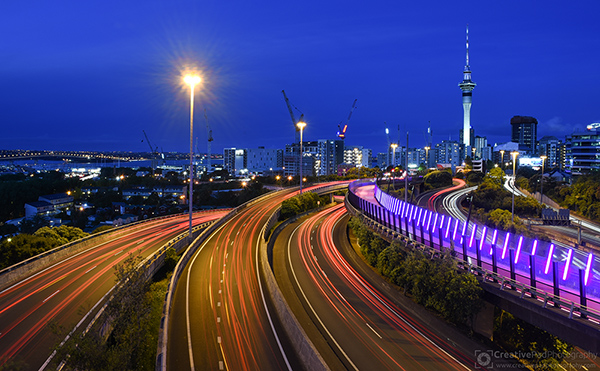
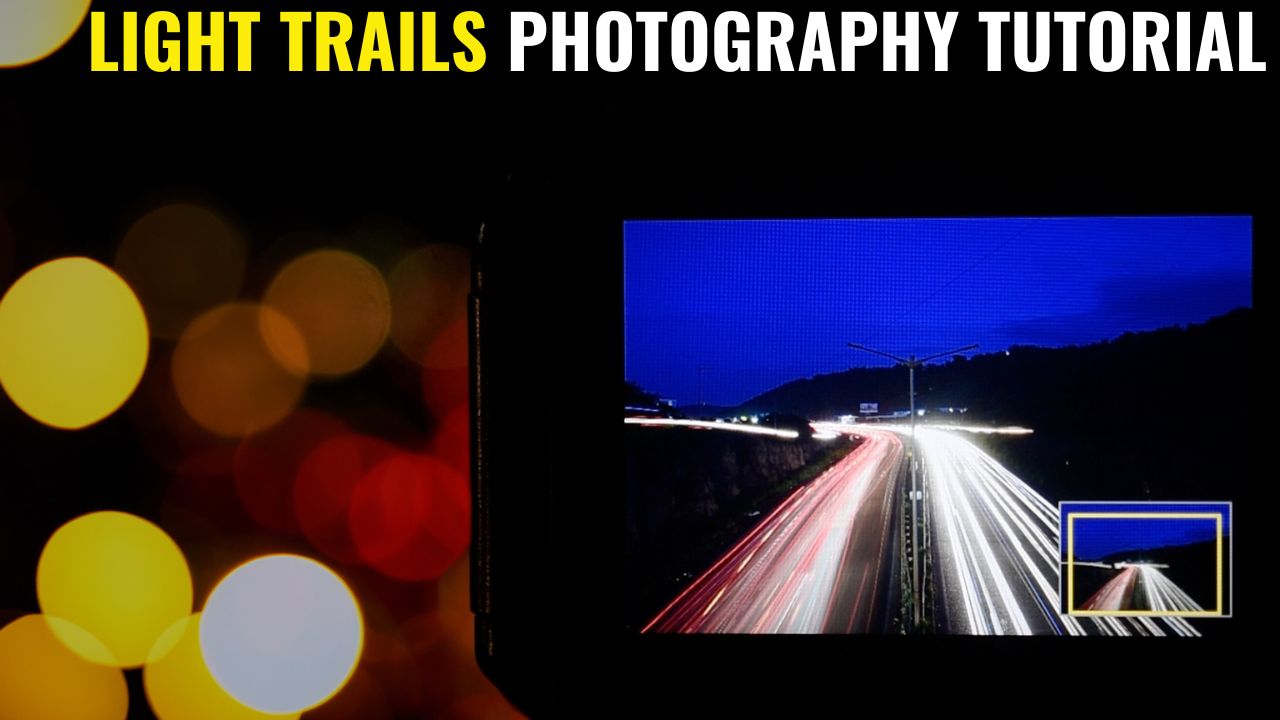
Here we will be shooting some cars which are going below us as we shoot from the top of a bridge. We will be looking at the the different camera settings required to achieve this shot. Here is the video:
This video is from our Photography for Beginners course, which has 45 videos and 7 hours of video content. You can access the full course via Udemy, using the link below:
Photography for Beginners course
Video Summary
This video provides a detailed tutorial on capturing long-exposure light trails, focusing on camera settings and practical techniques.
Key Highlights and Techniques
- Optimal Vantage Point: To capture effective light trails, look for elevated positions such as a bridge overlooking a highway [00:28]. Compositions with turns or roads leading “into infinity” are highly recommended for a better visual impact [00:46].
- Essential Camera Settings:
- ISO: Set to 100 to minimize noise, as the long exposure will provide plenty of light [01:30].
- Aperture: Use a high f-stop number (e.g., f/16 to f/22) to achieve a large depth of field, ensuring everything from the foreground to the background remains sharp [01:10].
- Shutter Speed: This is the most critical setting. Start with 15 seconds [02:24], but increase it to 30 seconds for “fuller,” more continuous trails [05:31].
- Preventing “Broken” Trails: Short shutter speeds (e.g., 5-6 seconds) result in fragmented lines because the vehicles don’t have enough time to travel across the frame [02:14]. Slowing the shutter speed ensures the trails are smooth and complete [05:53].
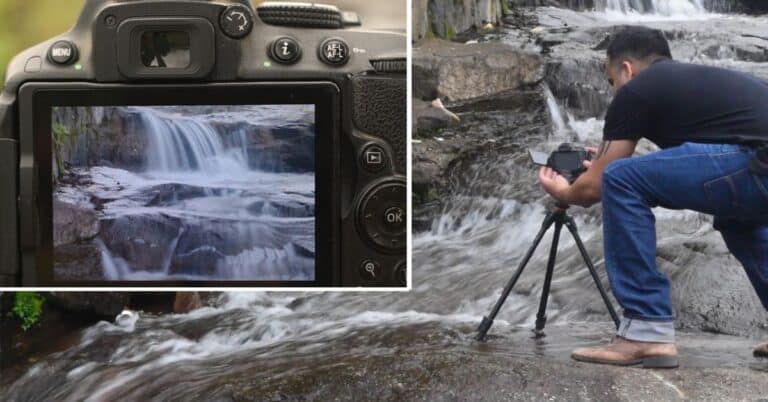
- Stability is Key: Since the shutter is open for a long time, even the slightest vibration can ruin the shot. Use a tripod and a remote shutter release or timer mode to avoid touching the camera during exposure [02:52].
- The “Golden Rule” Settings: The instructor notes that ISO 100, f/22, and a 30-second shutter speed work effectively for almost any light trail scenario [06:34].